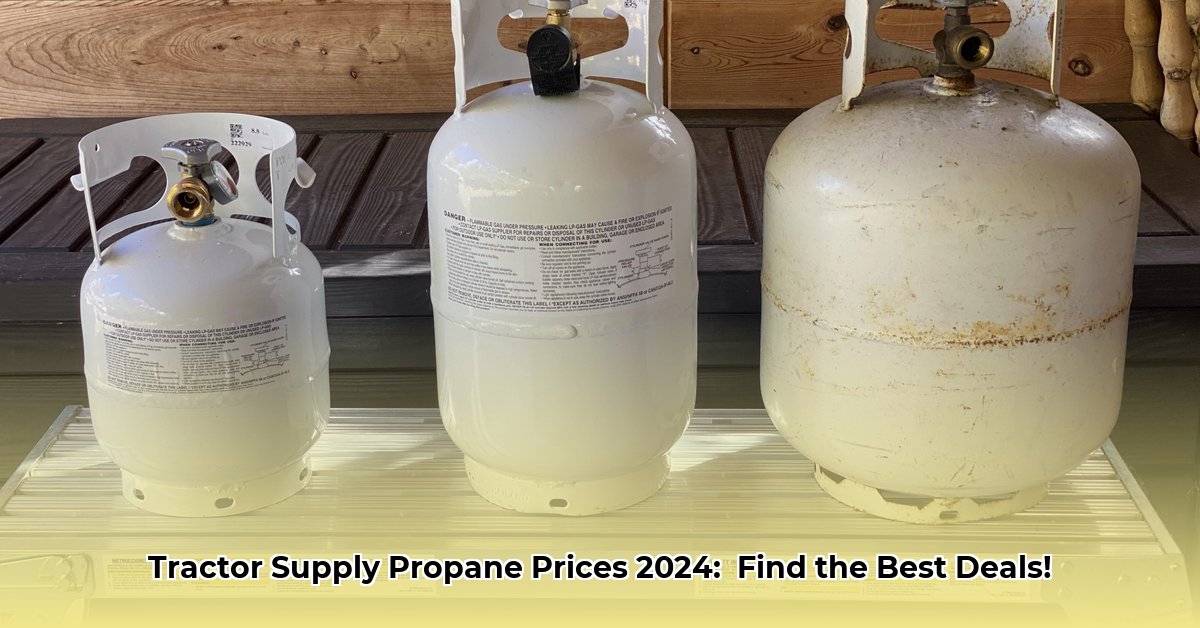
Understanding Tractor Supply Propane Pricing in 2024
Finding the best price for propane is crucial for efficient farm operations. Tractor Supply Company (TSC) offers propane, but pricing varies significantly. While general ranges might suggest prices between $3.79 and $4.15 per gallon, the actual cost depends heavily on your location and the time of year. Seasonal demand and regional supply fluctuations directly impact pricing. Therefore, obtaining the most accurate price requires contacting your local Tractor Supply store directly.
How Much is Propane Per Gallon at Tractor Supply? The Importance of Local Inquiry
Many farmers rely on Tractor Supply for their propane needs. However, the price per gallon isn't consistently posted online and is subject to constant change. This dynamic pricing model is common to energy markets and is a reflection of fluctuating supply and demand, influenced by broader market forces. To get the most current information, it is essential to call your local Tractor Supply store. This ensures you are receiving real-time pricing information and also allows them to confirm propane availability. High demand can also sometimes lead to temporary stock-outs.
TSC's Flexible Purchasing Options: Pay-Per-Gallon Convenience
A key advantage of buying propane from TSC is their pay-per-gallon system. This eliminates minimum purchase requirements, offering flexibility for farmers with varying propane needs. Need only a few gallons? No problem. This structured system allows for effective budgeting and only purchasing what is required for each task. This pay-per-gallon approach contrasts with bulk purchase systems, making it more suitable for smaller farms or those with inconsistent fuel demands.
The Environmental Impact of Propane: Making Sustainable Choices
While price is a primary concern, the environmental impact of propane should also be carefully considered. Propane, although a relatively cleaner-burning fossil fuel than others, is not carbon-neutral and does produce greenhouse gas emissions. It's crucial to consider the long-term sustainability of your fuel choices.
Steps to Make Informed Fuel Decisions for Your Farm
Making smart fuel choices is essential for both financial efficiency and environmental responsibility. Follow these steps:
Contact Tractor Supply: Call your local store for the latest propane price and stock availability. This simple step is crucial for accurate budgeting.
Compare Prices: Compare Tractor Supply's prices with those of other local propane suppliers to identify potential savings.
Analyze Propane Consumption: Estimate your annual propane usage to plan your budget accordingly and to better assess alternative fuel options.
Explore Alternative Fuels: Research the viability of sustainable alternatives like biodiesel or renewable energy sources. Investigate the long-term costs versus the environmental benefits.
Improve Fuel Efficiency: Explore methods to optimize your farm's overall propane consumption. This could involve upgrading equipment or adopting more efficient farming practices.
Weighing the Advantages and Disadvantages of Tractor Supply Propane
To assist your decision-making process, the following table summarizes the pros and cons of using Tractor Supply for your propane needs:
| Pros | Cons |
|---|---|
| Convenient accessibility and location | Price fluctuations due to market dynamics. |
| Pay-per-gallon system – no minimum purchase | Environmental impact of propane combustion. |
| Streamlined refilling process | Possible supply chain issues leading to potential shortages. |
Navigating Price Volatility and Potential Supply Chain Risks
Propane prices are subject to substantial volatility due to fluctuating market forces. Economic changes, global events, and seasonal demand all impact availability and price. As such, careful planning and potentially diversifying your fuel sources can help mitigate these risks. Consider having a backup plan for instances of unavailability or high prices.
Minimizing Propane Emissions: Strategies for Sustainable Farming
While propane might offer advantages in terms of efficiency in certain agricultural applications, minimizing its use is key for environmental sustainability. Here's how:
Preventative Maintenance: Regular maintenance on propane appliances ensures optimal efficiency, reducing fuel consumption and emissions.
Smart Technology: Integrating smart thermostats and sensors enables precise temperature control, optimizing propane usage.
Improve Insulation: Enhance insulation in your structures to limit heat loss and reduce the energy required for heating.
Upgrade Appliances: Consider upgrading to more energy-efficient propane appliances for long-term cost savings and environmental benefits.
Exploring Alternative Fuels for a Sustainable Future
Even with efficient use, propane remains a fossil fuel. Therefore, exploring sustainable alternatives is vital for long-term environmental responsibility:
Renewable Energy: Investigate the integration of renewable energy sources like solar or geothermal heat into your operation.
Biomass Heating Systems: Consider biomass heating systems that utilize agricultural waste, although efficiency may vary.
Disclaimer: Propane prices and availability at Tractor Supply are subject to change. Always contact your local store for the most up-to-date information. This article provides general guidance and should not be considered financial or agricultural advice.